


Amazon DSP advertising gives you a way to reach shoppers beyond the standard sponsored ad placements most sellers already know. According to Amazon Ads, its demand-side platform can serve display, video, and audio ads across Amazon-owned properties and third-party sites, which makes it one of the few tools that can influence both discovery and remarketing at scale.
Table of Contents
If you already run Sponsored Products and still see missed growth, amazon dsp advertising may be the next lever. In this guide, you’ll learn what amazon dsp advertising is, how it works, when it makes sense, which tools support it, and how to avoid the mistakes that drain margin.
What Is Amazon DSP Advertising?
Amazon DSP advertising is Amazon’s programmatic media buying platform. In practical terms, it lets you buy display, video, and audio ads using Amazon’s audience data, both on Amazon properties and across third-party publishers. Unlike standard PPC placements, amazon dsp advertising is built for audience targeting first, not just keyword capture.
That difference matters if you sell in a competitive category. With amazon dsp advertising, you can reach in-market shoppers, retarget detail page visitors, re-engage past buyers, and build awareness before someone searches your exact product. As a result, it plays a different role than the campaign structures you’d use in Amazon PPC management.
In 2026, more brands are using amazon dsp advertising because sponsored inventory is crowded and CPC pressure remains high in mature categories. Therefore, if your catalog already has conversion proof, DSP can help you expand reach without relying only on bottom-funnel keyword traffic.
How It Works
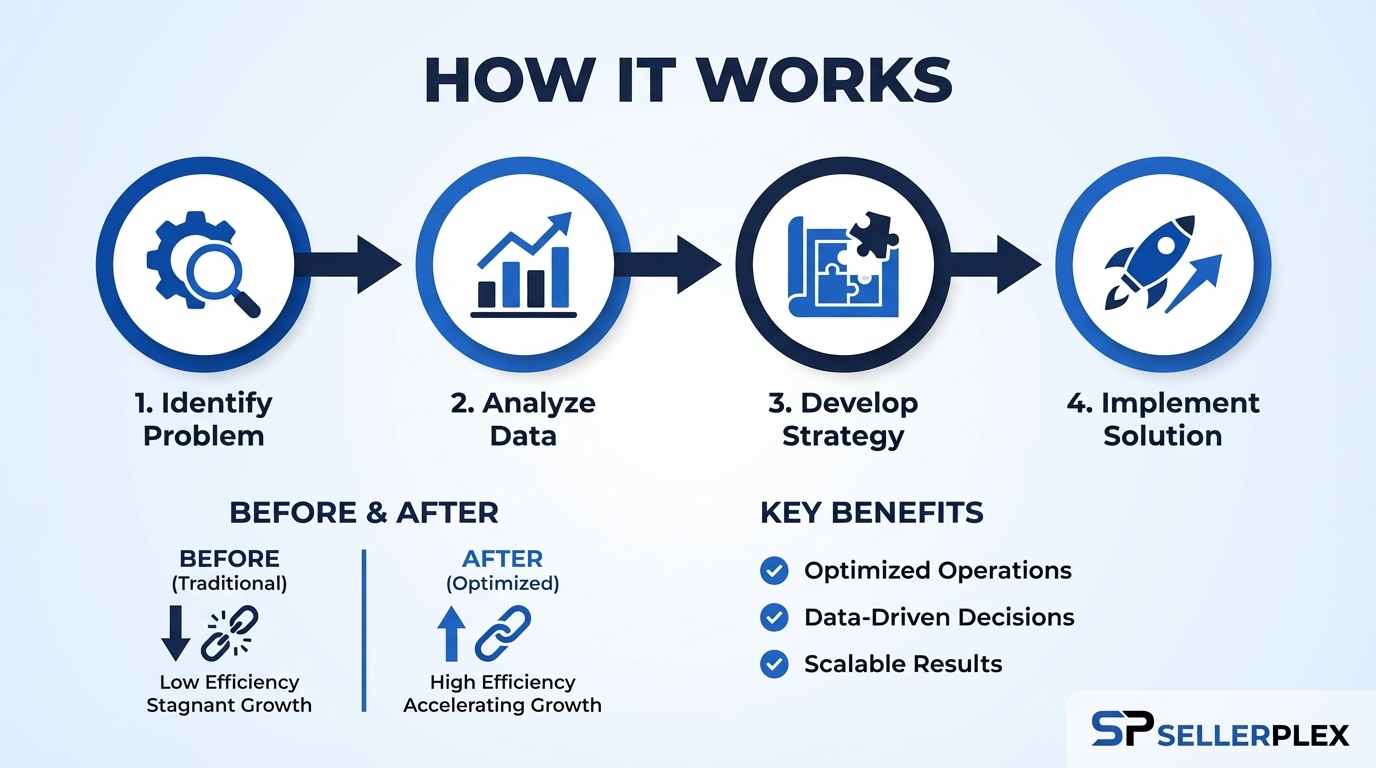
The Core Flow
Amazon dsp advertising works by combining audience signals, creative assets, bidding rules, and placement access in one platform. Instead of bidding only on search terms, you target shopper groups based on behavior and intent.
The Process in 5 Steps
- Define the audience. You select audiences such as product viewers, category shoppers, lifestyle segments, or existing customers.
- Choose the format. Next, you decide whether to run display, video, or streaming TV inventory.
- Set bids and budgets. Amazon then enters auctions across eligible placements.
- Serve ads across channels. Your ads appear on Amazon and on third-party apps or websites, depending on the inventory chosen.
- Measure downstream impact. Finally, you evaluate reach, detail page views, branded search lift, conversions, and return metrics.
Why This Structure Is Different
Traditional sponsored ads intercept demand that already exists. However, amazon dsp advertising can create demand earlier in the journey and recover shoppers who did not buy the first time. That is especially useful if you sell multiple SKUs, run launches, or need to support a broader retail media strategy alongside Amazon account management services.
Key Benefits
Wider Reach Beyond Search
Amazon dsp advertising reaches shoppers beyond Amazon search results. Therefore, you can influence discovery while customers browse content, video, or publisher inventory off Amazon.
Better Audience Targeting
Because DSP uses Amazon shopping signals, targeting can be more purchase-oriented than generic display buying. For example, you can isolate users who viewed similar ASINs or abandoned before checkout.
Stronger Retargeting
Retargeting is one of the clearest reasons to use amazon dsp advertising. According to Amazon Ads, advertisers can reconnect with audiences who engaged but did not convert, which helps recover wasted traffic.
Full-Funnel Measurement
You can analyze impressions, reach, view-through conversions, branded search effects, and detail page traffic. As a result, amazon dsp advertising helps you see lift that keyword-only reporting can miss.
Support for Product Launches
If you launch a new SKU, amazon dsp advertising can generate visibility before keyword ranking improves. Additionally, it supports awareness when you need scale faster than organic placement growth allows.
Better Portfolio-Level Efficiency
Brands with several hero products often use DSP to support cross-sell and category presence. In other words, the channel can improve total account performance, not just one campaign’s ROAS.
Access to Premium Formats
Amazon DSP includes video and streaming TV inventory. Consequently, you can tell a stronger brand story than a text-heavy search ad allows.
Step-by-Step Guide
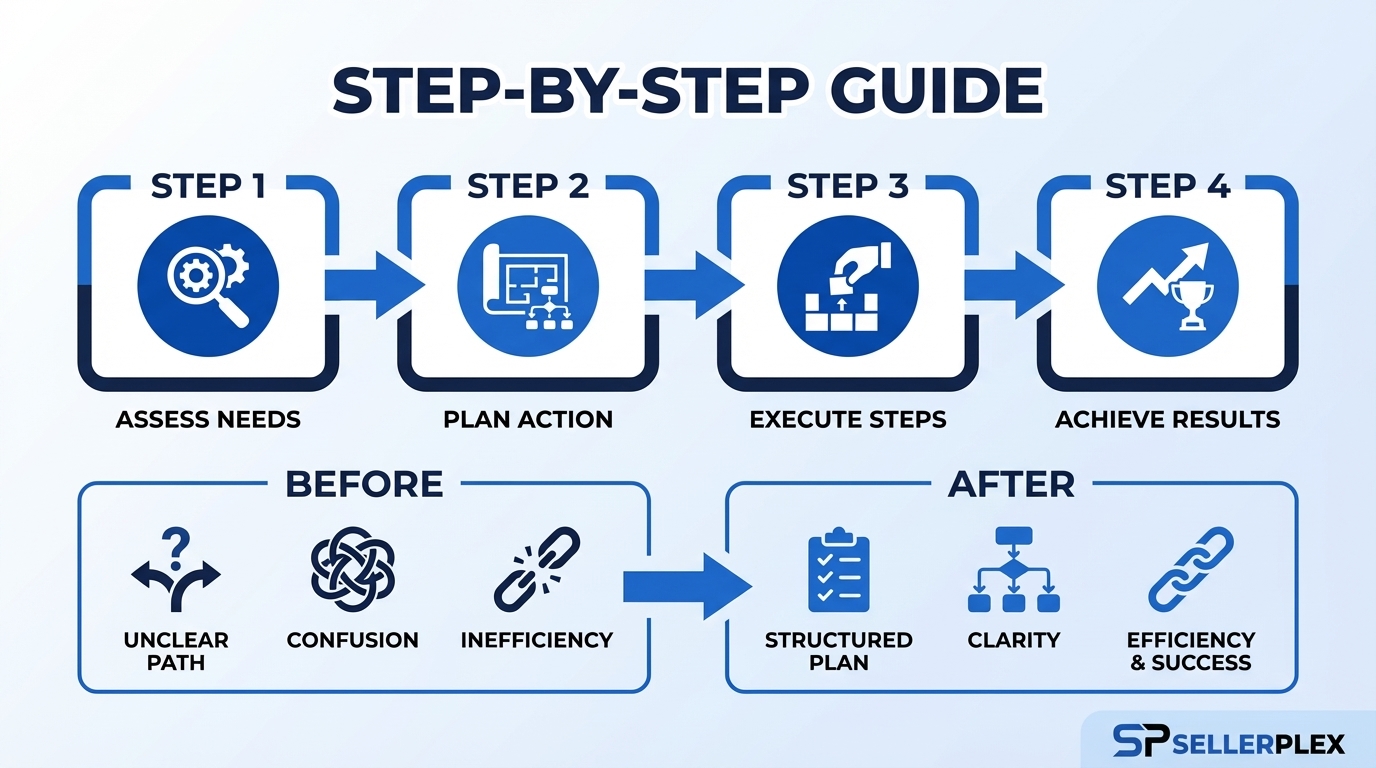
Step 1: Confirm That Your Catalog Is Ready
Before you invest in amazon dsp advertising, verify that your hero ASINs convert well, your retail content is polished, and your review profile is healthy. If the listing is weak, paid reach simply exposes more shoppers to a page that does not close.
Step 2: Set One Clear Objective
Next, choose the primary goal. You might want prospecting, retargeting, product launch support, or branded search lift. A single objective keeps budget allocation and reporting cleaner.
Step 3: Segment Audiences by Funnel Stage
Build separate audience groups for cold, warm, and existing customers. For example, one ad group might target category shoppers, another could retarget product viewers, and another could re-engage past buyers. This structure makes optimization easier.
Step 4: Match Creative to the Audience
Cold audiences need broader value messaging. In contrast, warm audiences respond better to product proof, reviews, or offer-specific creative. If you need stronger retail pages first, improve your Amazon content creation strategy before scaling spend.
Step 5: Start with Controlled Budgets
Launch with a test budget that gives each audience enough delivery to learn. However, avoid spreading spend across too many segments on day 1. Concentration gives you cleaner signals.
Step 6: Coordinate with Sponsored Ads
Amazon dsp advertising works best when it supports your existing PPC engine. Therefore, align DSP campaigns with branded defense, competitor capture, and non-brand search from your core Amazon PPC 2026 playbook.
Step 7: Measure Beyond Last-Click ROAS
DSP often influences conversions earlier in the journey. As a result, you should track new-to-brand metrics, detail page views, branded search growth, and assisted sales, not only direct attributed revenue.
Step 8: Scale What Wins and Cut Waste Fast
Once a segment proves efficient, increase budget in measured steps. Conversely, pause weak audiences, poor placements, or creative variants that spend without lift.
Lower Waste in DSP Campaigns
See where your Amazon ad spend is leaking and how to tighten targeting, bids, and reporting.
Best Tools & Resources
Amazon Ads DSP Documentation
Start with Amazon’s own Amazon DSP overview. It explains inventory access, audience options, and core reporting in Amazon’s terminology.
Amazon Demand-Side Platform Guide
Amazon also publishes a broader demand-side platform guide. This is useful if your team needs a clearer explanation of how DSP differs from other programmatic channels.
Helium 10
While Helium 10 is not a DSP platform, its keyword and market tools help you identify which products already show strong demand signals. Therefore, it can inform which ASINs deserve broader support through Helium 10.
Jungle Scout
Jungle Scout helps validate demand trends, category competition, and launch timing. That context matters when you decide whether amazon dsp advertising should prioritize awareness or retargeting.
SellerPlex PPC Benchmarks
For execution, combine DSP planning with your broader PPC cost benchmarks. This guide on Amazon PPC cost gives you a useful baseline for judging blended efficiency.
Common Mistakes to Avoid
Mistake 1: Using DSP Before Fixing Conversion Issues
If your product page does not convert, amazon dsp advertising will rarely save it. More traffic into a weak funnel usually means more spend, not more profit.
Mistake 2: Judging Performance Only on Last-Click ROAS
DSP often supports conversions instead of capturing the final click. Therefore, if you ignore assisted impact, you may shut off campaigns that actually drive account growth.
Mistake 3: Targeting Too Broadly Too Soon
Broad audiences can spend quickly with little signal. Start narrower, learn faster, and then expand once you identify which shopper groups respond.
Mistake 4: Reusing One Creative for Every Audience
Prospecting and retargeting need different messages. In other words, the same ad rarely performs equally well across every stage of the funnel.
Mistake 5: Running DSP in a Channel Silo
When DSP and Sponsored Products operate separately, reporting becomes fragmented. Coordinate both channels under one account strategy, especially if you also manage operations through Amazon FBA optimization workflows.
Advanced Tips & Strategies
Use Audience Layering for Better Control
Combine behavioral and product-level signals where possible. For example, you might focus on in-market shoppers who also viewed competitor ASINs. That narrows wasted impressions.
Build Creative Variants by Funnel Stage
Create separate variants for awareness, consideration, and retargeting. Consequently, your message feels more relevant and your reporting becomes more diagnostic.
Watch Branded Search Lift Closely
A strong amazon dsp advertising campaign can increase branded search volume over time. If branded queries rise after prospecting campaigns launch, that is often a healthier indicator than direct view-through revenue alone.
Coordinate Inventory and Media Planning
Do not scale DSP if inventory is unstable. Since out-of-stock issues break the customer journey, media efficiency drops fast when your supply chain cannot support the demand spike. This is where supply chain management for Amazon sellers matters more than many brands expect.
Use DSP for Defensive Competitor Strategy
If your category is crowded, DSP can help you stay visible around relevant audiences before competitors intercept them in search. That said, keep budgets disciplined and compare blended results against your Amazon PPC tutorial framework.
Frequently Asked Questions
What is amazon dsp advertising used for?
Amazon dsp advertising is used to reach shoppers with display, video, and audio ads on and off Amazon. Most brands use it for prospecting, retargeting, product launches, and broader full-funnel support beyond keyword-based PPC.
Is amazon dsp advertising only for large brands?
No. Larger brands often have more budget flexibility, but smaller and mid-sized sellers can still benefit if they already have strong conversion rates, clear hero ASINs, and enough margin to test a broader acquisition channel.
How is amazon dsp advertising different from Sponsored Display?
Sponsored Display is simpler and more retail-native, while amazon dsp advertising offers deeper audience control, broader inventory access, and more advanced programmatic buying options. DSP is generally more flexible for full-funnel planning.
How do you measure success with amazon dsp advertising?
You should measure more than last-click ROAS. Look at reach, detail page views, branded search lift, new-to-brand metrics, assisted conversions, and the blended effect on total ad efficiency.
When should you start using amazon dsp advertising?
You should consider amazon dsp advertising once your listings convert well, your sponsored campaigns are stable, and you want to expand reach or improve retargeting. Starting too early usually creates waste.
Does amazon dsp advertising work for retargeting?
Yes. In fact, retargeting is one of the strongest use cases for amazon dsp advertising because you can reconnect with shoppers who visited your listing or engaged with your product but did not purchase.
Do you need an agency to run amazon dsp advertising?
Not always, but many brands do better with expert support because the platform has more moving parts than standard sponsored ads. Campaign structure, audience selection, reporting, and creative alignment all affect performance.
Next Steps
Amazon dsp advertising can open reach that standard sponsored campaigns miss. However, it only works when your listings convert, your audience strategy is tight, and your reporting looks beyond last-click revenue. If you approach the channel with that discipline, DSP can improve prospecting, retargeting, and account-level growth.
If you want help deciding whether amazon dsp advertising fits your catalog, or you need tighter execution across PPC and DSP, start with SellerPlex’s Amazon PPC service. You’ll get a clearer view of where your spend leaks, which audiences deserve budget, and how to scale profitably.
Ready to Grow Your Amazon Business?
Book a free strategy session with our Amazon and e-commerce specialists. No obligations, just actionable insights.