


If you searched for account management activision, you are probably trying to solve an access, ownership, or security problem. In many cases, that query starts with a game-profile issue. However, for operators running Amazon brands, the real business risk is bigger: weak account management systems create downtime, missed alerts, and preventable revenue loss. According to Amazon, sellers must monitor Account Health, policy notifications, and listing status continuously to stay compliant and protect selling privileges.
Table of Contents
In this guide, you will learn what account management activision usually refers to, how account access and ownership controls work, where teams make avoidable mistakes, and how to build a stronger operational process around Amazon account management. Additionally, you will see where SellerPlex fits when your team needs experienced operational coverage.
Introduction
If your team searches account management activision, you may be trying to solve a login or ownership issue. However, for Amazon operators, that kind of search points to a more important business question: who actually owns account security, alerts, and operational follow-through when revenue is on the line? According to Amazon, seller performance and policy compliance require continuous monitoring, not occasional cleanup.
In this article, you will learn how account management activision relates to broader account control, why Amazon sellers need a tighter operating model, and how to build a practical system that protects listings, account health, and margin.
What Is Account Management Activision?
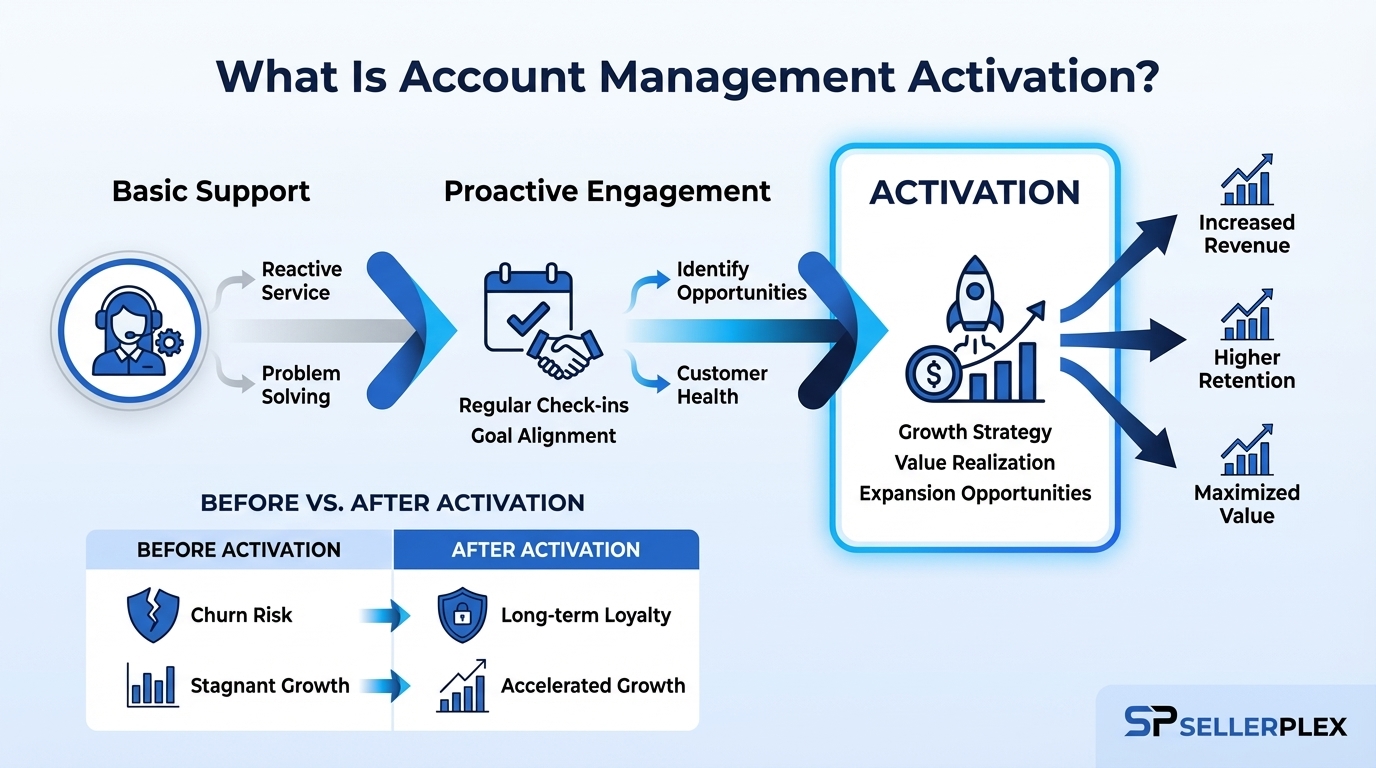
When people search account management activision, they usually want help managing an Activision profile, fixing login problems, or updating linked credentials. In other words, the phrase often signals a need for cleaner access control, identity management, and account recovery processes.
For Amazon sellers, that same principle matters at a much higher financial level. Your seller account is not just a login. Instead, it is the operating layer behind listings, case history, reimbursements, customer messages, feedback, suppressed ASINs, and policy notices. If your team handles access loosely, one missed notification can quickly become a stranded listing, delayed reimbursement, or account health issue. That is why account management activision is a useful reminder that account ownership and monitoring cannot be casual.
Therefore, the practical takeaway from account management activision is this: account management is really about ownership, visibility, and fast response. That is exactly why many brands invest in structured Amazon account management support instead of leaving daily operations to whoever happens to be available.
How It Works
The core workflow
At a functional level, account management activision follows the same logic as any platform account system: you verify identity, control permissions, monitor activity, and respond to issues. However, Amazon account operations add far more complexity because multiple workflows affect revenue at once. In practice, account management activision becomes an operating discipline when you apply that same control logic to Seller Central.
A practical 5-part process
- Access is assigned. First, an owner grants the right permissions to internal staff or agency partners.
- Critical alerts are monitored. Next, someone reviews account health, policy warnings, buyer messages, and listing notifications daily.
- Operational issues are triaged. For example, teams respond to suppressed listings, stranded inventory, or case escalations.
- Support cases are managed. Additionally, someone must open, document, and follow up on Seller Support tickets until they are resolved.
- Performance is reported. Finally, the business tracks KPIs such as Order Defect Rate, response times, reimbursement recovery, and listing uptime.
Why this matters in Amazon operations
Amazon explicitly ties account health and policy compliance to your ability to keep selling. According to Amazon Account Health Rating guidance, sellers must stay above key thresholds and resolve violations quickly. As a result, strong operational account management is less about admin work and more about risk control.
If you already invest in Amazon PPC management, that ad spend performs better when your listings stay active, your catalog remains compliant, and your operational issues do not interrupt conversion.
Key Benefits
Why structured account management pays off
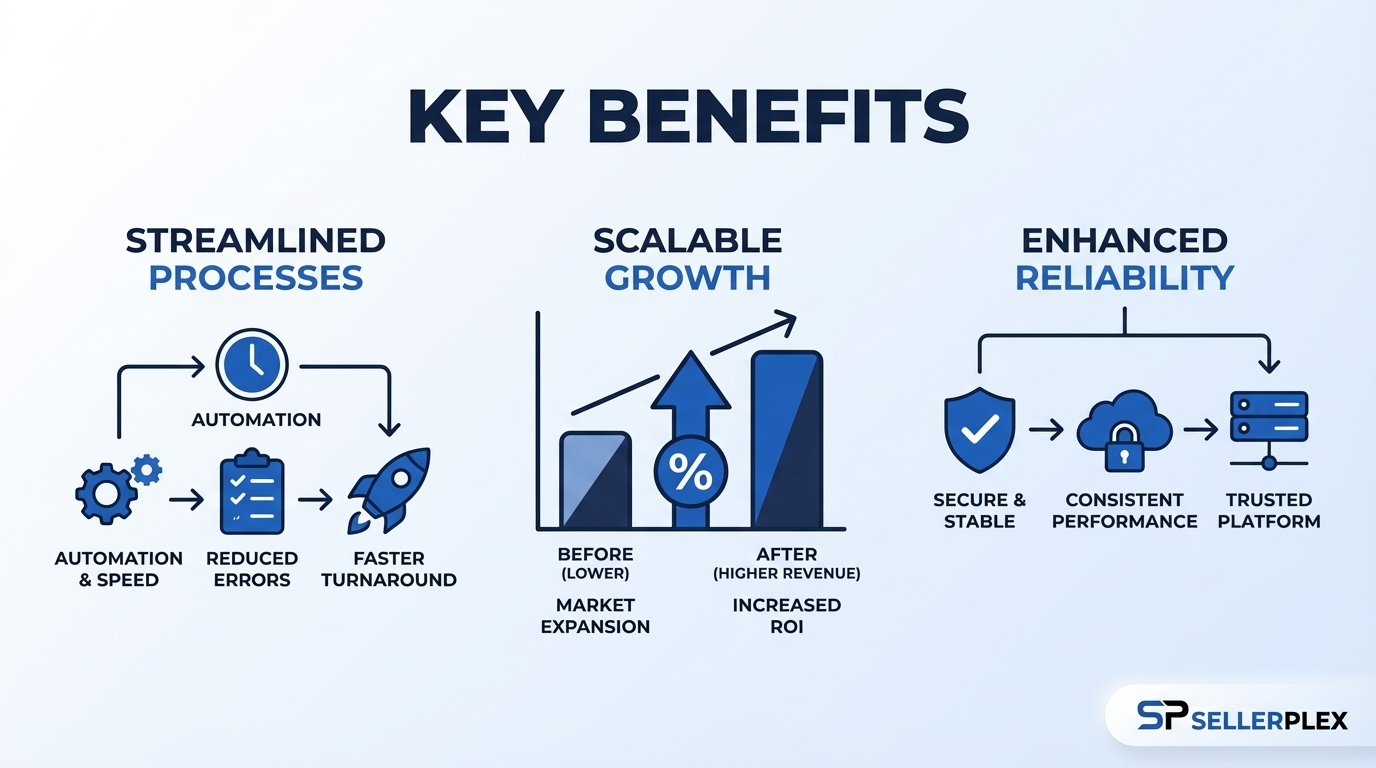
A disciplined account management activision mindset creates measurable upside for Amazon brands. More specifically, account management activision becomes valuable when it reduces downtime, improves response speed, and creates accountability across teams:
- Faster issue resolution: Teams with clear ownership usually resolve notifications, case escalations, and listing suppressions faster.
- Lower compliance risk: Additionally, routine monitoring reduces the chance that warnings turn into serious account health problems.
- Higher listing uptime: When someone checks stranded, inactive, or suppressed listings daily, you protect sales continuity.
- Better customer experience: Faster responses to buyer messages and returns can help reduce friction and protect seller metrics.
- More recovered margin: Reimbursement audits often uncover lost inventory, damaged units, and fee discrepancies that brands otherwise miss.
- Cleaner internal accountability: Because responsibilities are defined, leaders can see who owns each task, escalation, and deadline.
- Improved cross-channel efficiency: Ultimately, your Amazon FBA optimization strategy works better when operations, listings, and support workflows stay stable.
Step-by-Step Guide
Step 1: Audit every user and permission
First, review who currently has access to your seller account, Brand Registry assets, and connected tools. Remove old users, vendors, and unnecessary permissions. Additionally, document who owns primary admin credentials and backup access.
Step 2: Create a daily alert review cadence
Next, assign one person to review Account Health, policy notifications, buyer-seller messages, and stranded listing alerts every business day. Although this sounds simple, consistency is what prevents small issues from turning into revenue problems.
Step 3: Build an escalation map
Then, define what happens when a warning appears. For example, decide who drafts the response, who approves it, who opens the case, and who follows up. Without that map, teams lose time and duplicate work.
Step 4: Track listing health proactively
Use a recurring process to check suppressed, inactive, and stranded ASINs. Moreover, connect those checks to content, compliance, and inventory teams so the root cause gets fixed quickly rather than patched temporarily.
Step 5: Standardize case management
Every Seller Support case should include a template: issue summary, affected ASINs, screenshots, prior case IDs, requested resolution, and deadline for follow-up. As a result, you reduce back-and-forth and create a searchable record.
Step 6: Monitor buyer communication performance
Operational account management also includes customer service. Therefore, measure response times, refund patterns, A-to-Z claim trends, and recurring complaint themes. These signals often surface listing or fulfillment issues before Amazon escalates them.
Step 7: Run a monthly reimbursement review
According to Amazon’s reimbursement processes, eligible claims can include lost or damaged FBA inventory and other discrepancies. For that reason, many brands treat reimbursements as an afterthought and leave margin on the table. Schedule a recurring audit.
Step 8: Package everything into a weekly dashboard
Finally, create one report covering Account Health Rating, unresolved cases, listing issues, customer service backlog, review trends, and reimbursements filed or recovered. If you want an outside team to run this process, SellerPlex’s Amazon account management service is built for that operational layer.
Fix Amazon Account Issues Faster
Get a clear operational review of your account health, listing issues, and support workflows.
Best Tools and Resources
1. Amazon Account Health Dashboard
The Amazon Account Health Dashboard should be your first stop for policy risk, violations, and required actions. It is the operational control center for preventing escalations.
2. Amazon Seller Central Case Log
Your internal case history matters. Therefore, use Seller Central to document issue timelines, prior responses, and escalation patterns so you can reference them quickly.
3. Helium 10
Helium 10 is useful when listing issues intersect with keyword indexing, content changes, or market visibility. It does not replace account management, but it helps diagnose catalog-side problems faster.
4. Jungle Scout
Jungle Scout can support catalog reviews, competitor checks, and product-level context when performance problems appear. Additionally, it helps teams separate operational issues from market demand issues.
5. SellerPlex Operational Support
If your team needs hands-on monitoring, case handling, and policy follow-through, SellerPlex combines account management, content support, and supply chain management where needed.
Common Mistakes to Avoid
Mistake 1: Treating account management like inbox work
Many brands reduce account management activision thinking to simple email handling. In reality, the job includes policy risk, case strategy, listing health, and reimbursement recovery. If you frame it too narrowly, problems stay hidden.
Mistake 2: Mixing ownership across too many people
When everyone can reply, nobody really owns the outcome. Consequently, alerts sit too long, cases get duplicated, and accountability disappears.
Mistake 3: Confusing account management with PPC
PPC drives traffic. Account management protects operational stability. Although both matter, they solve different problems. A strong ad program cannot rescue a suppressed listing or policy violation.
Mistake 4: Waiting for Amazon to escalate
Some teams only react after a serious warning lands. However, early response is cheaper than recovery. Once issues stack up, support resolution usually gets slower and more expensive.
Mistake 5: Ignoring recurring root causes
If the same ASINs, policy themes, or buyer complaints appear repeatedly, fix the system behind them. Otherwise, your team stays trapped in repetitive support work.
Advanced Tips and Strategies
Build a severity-based response model
Not every alert deserves the same urgency. Therefore, classify issues by revenue risk, policy risk, and customer impact. A stranded bestseller needs immediate action. A low-volume variation update can wait.
Connect operations with advertising and content
When account management teams share information with PPC and content teams, they catch performance problems earlier. For example, a sudden conversion drop may trace back to suppressed images, lost Buy Box share, or review deterioration rather than bid strategy. That is why related resources such as Amazon product listing optimization matter operationally too.
Use case templates with evidence libraries
Create reusable templates for listing reinstatement, policy appeals, reimbursement claims, and feedback removal requests. Additionally, keep screenshots, shipment IDs, invoice files, and prior successful case language in one place.
Review seller feedback for operational patterns
Feedback is not only a reputation metric. In fact, it often reveals shipping delays, packaging defects, and expectation gaps before they show up elsewhere. Use those patterns to improve both operations and customer communication.
Measure operational ROI directly
Finally, calculate the value of account management by tracking recovered reimbursements, avoided downtime, case resolution speed, and account health stability. That framework makes staffing and outsourcing decisions much easier.
Frequently Asked Questions
What does account management activision usually mean?
Usually, account management activision refers to managing Activision account access, login security, linked profiles, and ownership settings. However, the same search intent often points to a broader need for stronger account controls and faster issue resolution in digital platforms.
How is Amazon account management different from PPC management?
Amazon account management focuses on operational health. That includes buyer messages, case management, policy notifications, listing health, reimbursements, and compliance monitoring. PPC management focuses on ad strategy, bids, targeting, and budget efficiency.
Why does account management matter for Amazon sellers?
It matters because Amazon can suppress listings, issue warnings, and restrict selling privileges when problems go unresolved. Additionally, slow responses can create lost sales, poor customer experience, and unnecessary margin leakage.
What should a good Amazon account management process include?
A strong process includes daily alert monitoring, clear ownership, support case workflows, listing health checks, review and feedback monitoring, reimbursement recovery, and weekly reporting on operational KPIs. In short, account management activision only works when ownership, cadence, and documentation stay consistent.
Can small or mid-size sellers outsource account management?
Yes, and many should once daily operations start distracting founders or internal teams from growth work. The key is choosing a partner that understands Amazon operations deeply rather than offering generic virtual assistant support.
What are the biggest signs your account management process is weak?
Common signs include unresolved notifications, slow case follow-up, repeat listing suppressions, poor documentation, inconsistent buyer response handling, and missing reimbursement opportunities.
When should you hire an Amazon account management partner?
You should consider it when account complexity rises faster than your team can handle, especially during marketplace expansion, repeated policy issues, catalog growth, or rising operational backlog.
Conclusion
Strong account management activision practices are not really about one login screen. Instead, they are about operational control, fast response, and clear ownership across your Amazon business. When permissions stay clean, alerts are reviewed daily, and cases move through a defined process, you reduce risk and protect sales.
Therefore, the brands that scale most smoothly usually treat account management as a core operating function rather than background admin work.
Next Steps
If account management activision brought you here, the bigger lesson is straightforward: access problems are rarely just access problems. More often, they expose weak operational ownership. For Amazon brands, that weakness shows up as missed alerts, unstable listings, unresolved cases, and avoidable revenue risk.
Therefore, your next move should be an operational audit. Review your permissions, alerts, case workflows, and account health reporting this week. If you want expert support, start with SellerPlex’s Amazon account management service to strengthen daily operations before small issues become costly ones.
Ready to Grow Your Amazon Business?
Book a free strategy session with our Amazon and e-commerce specialists. No obligations, just actionable insights.