


If your Amazon growth has stalled, your ads are usually the first lever to fix. In fact, Amazon’s ad business passed $50 billion annualized revenue, which tells you one thing fast: paid visibility is now table stakes for serious sellers. This amazon ppc tutorial shows you exactly how to build a clean campaign structure, cut waste, and scale revenue without lighting your margin on fire.
Table of Contents
You will learn what Amazon PPC is, how the auction actually works, which metrics matter, and how to optimize step by step. Additionally, you will get advanced tactics, common pitfalls, and tool recommendations you can apply this week.
What Is Amazon PPC Tutorial?
An amazon ppc tutorial is a practical framework that teaches you how to buy traffic on Amazon using sponsored ad formats while controlling cost. Specifically, Amazon PPC means you bid on keywords or product targets, and you pay when a shopper clicks your ad. You are not paying for impressions directly, so your profitability depends on click quality, conversion rate, and bid discipline.
For 7- and 8-figure brands, this matters because organic ranking alone is no longer stable enough. However, PPC without structure quickly becomes expensive. Therefore, a proper amazon ppc tutorial helps you connect spend to unit economics: ACoS, TACoS, contribution margin, and new-to-brand growth.
Given rising CPC pressure in competitive categories, operators now need tighter systems, not more ad hacks. If you want a deeper benchmark view, start with this breakdown of Amazon PPC cost in 2026, then apply the methods below.
How It Works
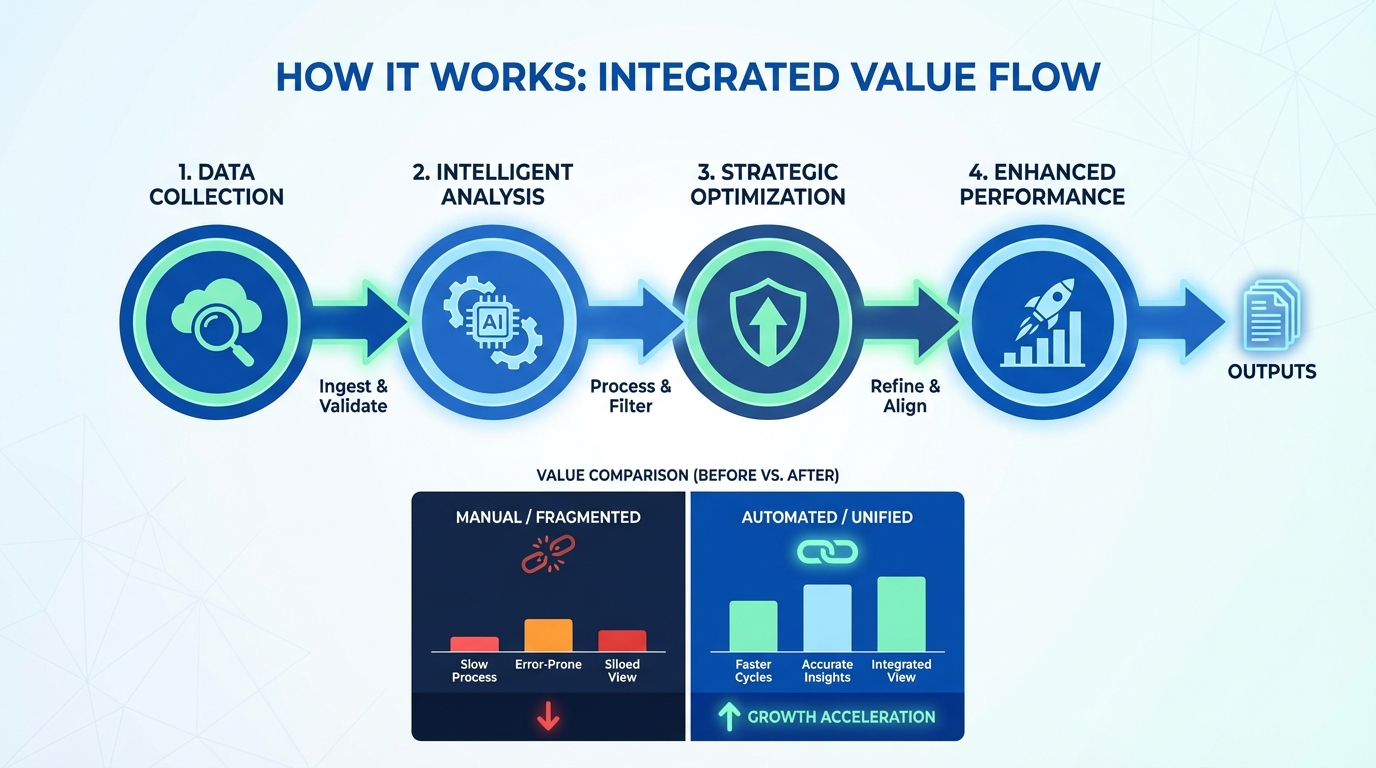
Amazon PPC runs on a real-time auction. First, you choose a campaign type and targeting model. Next, Amazon evaluates relevance, bid, and expected shopper behavior to decide which ad appears. Finally, you pay only when the shopper clicks.
1) Choose your ad format
You can run Sponsored Products, Sponsored Brands, and Sponsored Display. In most cases, Sponsored Products drives the strongest direct-response performance early.
2) Select targeting
You can target keywords (broad, phrase, exact) or products/categories. Keyword targeting captures intent; product targeting captures competitor and substitute demand.
3) Set bids and budget
You define a default bid and daily budget per campaign or ad group. Additionally, dynamic bidding controls how aggressively Amazon raises or lowers bids by placement context.
4) Win impressions and clicks
If your bid and relevance beat competing ads, your listing gets shown. Then your CTR depends on image, title, price, rating, and review quality.
5) Convert and attribute sales
When shoppers buy after a click, Amazon attributes those sales to the campaign within attribution windows. Consequently, your ACoS and ROAS change daily as delayed orders settle.
For the official mechanics, review Amazon’s own Sponsored ads overview and campaign setup guidance.
Key Benefits
A strong amazon ppc tutorial gives you repeatable upside, not random wins. Specifically, you can expect these benefits when execution is disciplined:
- Faster visibility for new SKUs: You can generate traffic before organic rank catches up. As a result, launches reach sales velocity sooner.
- Keyword-level demand intelligence: Search term reports show what converts. Therefore, PPC becomes a research engine for your SEO and listing roadmap.
- Improved organic rank through paid sales velocity: More qualified sales can improve rank signals over time. In fact, many brands use PPC to support category entry and defend page-one positions.
- Budget control by SKU and margin profile: You can segment high-margin and low-margin products into separate campaigns. Consequently, spend aligns with contribution, not vanity top-line.
- Competitive defense on branded terms and ASINs: You can protect branded searches and block competitor conquesting with exact-match brand campaigns.
- Scalable testing environment: Headlines, images, offers, and price points can be tested against live demand faster than most channels.
If your account needs broader operational support beyond ads, see Amazon account management services and connect PPC with listing and inventory workflows.
Step-by-Step Guide
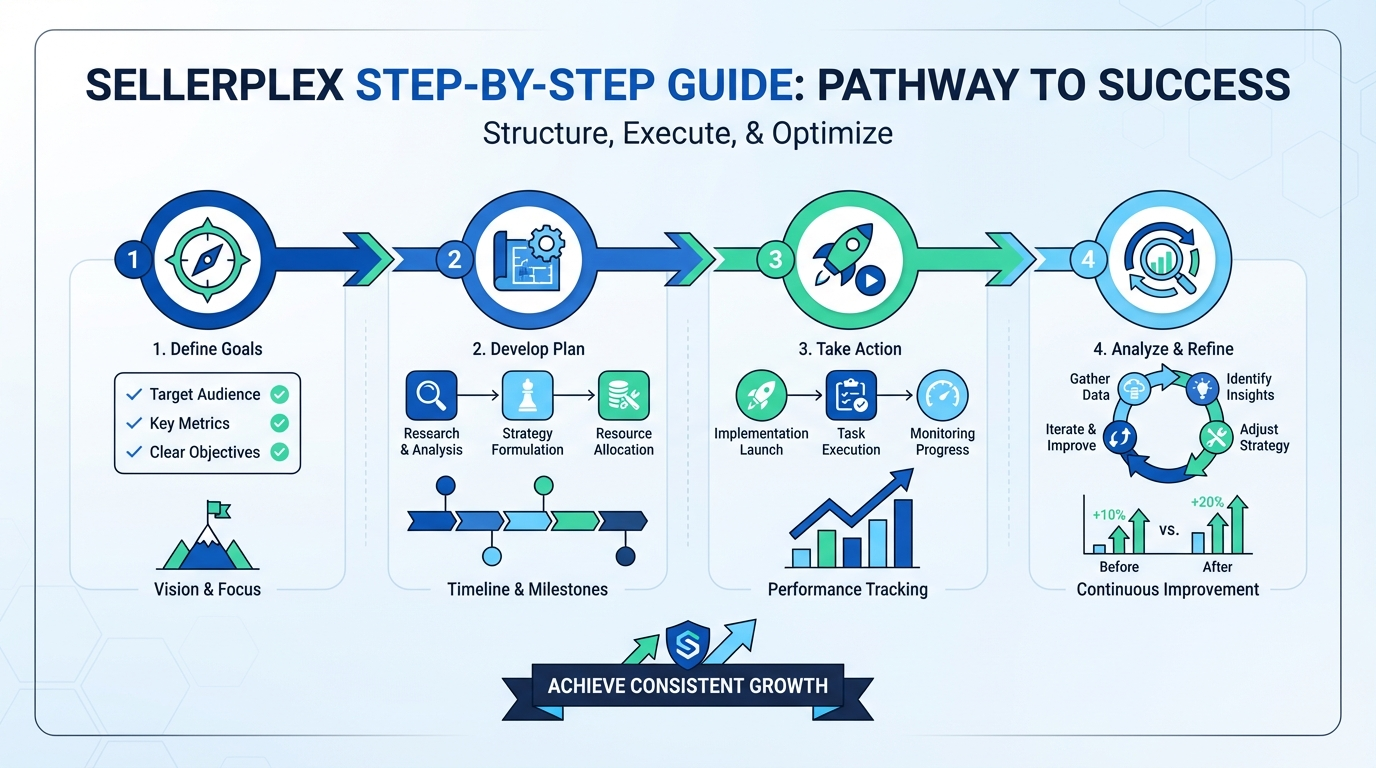
This amazon ppc tutorial section is your operating playbook. Follow these steps in order to avoid the “scale first, diagnose later” trap.
Step 1: Define your performance guardrails
First, set target ACoS and TACoS by SKU cluster, not one account-wide number. Use break-even ACoS from your true contribution margin after fees, COGS, and returns. Pro Tip: Build three tiers—aggressive, baseline, defensive—so bid changes map to clear risk levels.
Step 2: Segment campaigns by intent and control
Next, separate auto and manual campaigns for each SKU family. Keep discovery in auto and broad/phrase, while harvesting in exact. Additionally, split branded and non-branded traffic because conversion behavior and CPC differ materially.
Step 3: Build a clean ad group and keyword structure
Use tight theming with 10–20 close keywords per ad group. Avoid dumping hundreds of terms into one bucket. Therefore, placement and bid decisions stay interpretable when performance shifts.
Step 4: Launch with conservative bids and full negatives plan
Start close to suggested bids, then adjust after 3–7 days of data. Add negative exact for irrelevant converting terms and negative phrase for clear mismatch patterns. Pro Tip: Maintain a shared negative list by product line to prevent repeated leakage.
Step 5: Optimize listing conversion before aggressive scaling
Before increasing budget, improve title clarity, main image competitiveness, and social proof. If CTR is fine but CVR is weak, your issue is likely listing quality, not targeting. For execution support, use Amazon content creation and listing optimization.
Step 6: Harvest search term winners weekly
Move converting search terms from discovery campaigns into exact-match “winners” campaigns every week. Then lower bids in discovery for terms already harvested. Consequently, you reduce duplicate bidding and stabilize ACoS.
Step 7: Adjust bids by placement and profitability
Use placement reports to raise Top of Search only when incremental margin supports it. However, do not blindly push placement multipliers account-wide. Pro Tip: Apply placement boosts only to terms with proven conversion and repeat velocity.
Step 8: Scale budgets with inventory and cash-flow checks
Increase budgets only where stock coverage supports growth for 4–8 weeks. In contrast, scaling ads into low inventory often spikes CPC and hurts rank recovery later. Coordinate with supply chain management systems before major spend increases.
Lower ACoS Without Slowing Growth
Get a full campaign teardown with actions to cut wasted spend and scale profitable keywords.
Best Tools & Resources
The right stack makes this amazon ppc tutorial executable at speed.
1) Amazon Advertising Console
Use it for campaign controls, placement settings, and native reporting. Additionally, its Search Term and Placement reports remain your source of truth for bid and query decisions.
2) Helium 10
Helium 10 helps with keyword discovery, listing insights, and rank tracking. Therefore, you can align PPC terms with broader keyword opportunity and content priorities.
3) Jungle Scout
Jungle Scout provides market trend and demand signals useful for category planning. Specifically, it helps validate whether volume and competition justify higher ad investment.
4) SellerPlex PPC Performance Content
Review Amazon PPC 2026 playbook and Amazon PPC pricing in 2026 to benchmark expectations and avoid underestimating operating complexity.
Common Mistakes to Avoid
Even a strong amazon ppc tutorial fails if you repeat these avoidable errors.
Mistake 1: Optimizing too early on thin data
Many teams make bid changes after a handful of clicks. However, low sample sizes create noise and false confidence. Wait for meaningful click and conversion thresholds before major adjustments.
Mistake 2: Mixing branded and non-branded traffic
When you combine them, reported ACoS can look healthy while non-branded acquisition underperforms. Therefore, isolate campaign intent so decisions reflect reality.
Mistake 3: Ignoring TACoS and margin context
ACoS alone can hide profitability problems. For example, a “good” ACoS may still destroy contribution margin after fees and discounts. Always evaluate TACoS, blended margin, and repeat purchase effects together.
Mistake 4: Scaling budget before fixing conversion
If your listing under-converts, more traffic just burns cash faster. In practice, raising bids before improving offer clarity and creatives increases spend without durable rank gain.
Mistake 5: No negative keyword governance
Without negatives, irrelevant clicks accumulate across campaigns. Consequently, CPC inflation compounds and learning cycles slow down.
Advanced Tips & Strategies
Once the basics are stable, these tactics turn an amazon ppc tutorial into an actual growth engine.
Strategy 1: Query funnel architecture
Build three tiers: discovery, validation, and scale. Discovery runs broader targeting, validation confirms efficiency, and scale isolates exact winners with strong placement control. As a result, budget moves toward terms with proven economics.
Strategy 2: Dayparting and budget pacing by behavior
If your category converts unevenly across hours, shift budgets to high-conversion windows. Additionally, monitor out-of-budget timing to prevent early-day spend depletion on lower-intent traffic.
Strategy 3: Product targeting for defensive moats
Target your own ASIN family and key competitors on product pages. Specifically, defend high-intent shoppers near purchase while creating controlled conquest campaigns.
Strategy 4: Lifecycle bidding by SKU maturity
New SKUs need higher discovery allocation; mature SKUs require efficiency protection. Therefore, set bid frameworks by lifecycle stage instead of using one static rule across your catalog.
Strategy 5: PPC + content + ops integration
Your best PPC gains come when ads, listings, and inventory are aligned. If ad traffic rises but stockouts follow, rank decay can erase your wins. Pro Tip: Run weekly cross-functional reviews that include ads, content, and supply chain leads.
Frequently Asked Questions
What is the best campaign type to start with in an amazon ppc tutorial?
In most cases, you should start with Sponsored Products because it gives the fastest feedback loop on keyword intent and conversion. Additionally, it is easier to control at the SKU level than broader formats during your initial testing phase.
How much should you budget when following an amazon ppc tutorial?
You should set budget based on break-even ACoS and inventory coverage, not a fixed generic amount. Therefore, calculate daily budget from target clicks and expected conversion rate, then adjust weekly as real performance data accumulates.
How long does it take to see results from an amazon ppc tutorial?
You can usually identify directional signals in 7 to 14 days, while stable optimization patterns often take 4 to 8 weeks. However, the timeline depends on traffic volume, price competitiveness, and listing quality.
What ACoS is considered good in an amazon ppc tutorial?
A good ACoS is any value below your break-even threshold after all variable costs are included. In other words, the right number is SKU-specific and margin-specific, not a universal benchmark copied from another seller.
Should you run auto and manual campaigns together in an amazon ppc tutorial?
Yes, because auto campaigns discover terms while manual campaigns scale and control proven terms. Consequently, running both gives you faster learning and cleaner performance segmentation.
How often should you optimize campaigns in an amazon ppc tutorial?
You should check pacing daily and make structural optimizations weekly based on enough data. Moreover, major bid framework changes should follow consistent trends rather than one-off fluctuations.
Can small brands apply this amazon ppc tutorial effectively?
Yes, smaller brands can execute this framework by narrowing SKU focus and prioritizing high-intent exact terms. For practical examples, review Amazon PPC for small business.
Next Steps
You now have a complete amazon ppc tutorial you can execute immediately: set guardrails, structure campaigns by intent, harvest winners, and scale only when conversion and inventory support it. Additionally, you have a clear list of tools, mistakes to avoid, and advanced plays for sustained efficiency.
If you want faster execution with tighter margin control, work with an embedded team that manages ads, content, and operational dependencies together. Start with SellerPlex’s Amazon PPC management service and get a practical action plan for your account.
Ready to Grow Your Amazon Business?
Book a free strategy session with our Amazon and e-commerce specialists. No obligations, just actionable insights.

SellerPlex Editorial Team
Amazon & E-commerce Experts
The SellerPlex Editorial Team brings together Amazon operators, PPC strategists, and supply chain specialists with hands-on experience scaling 100+ FBA brands. Every article is grounded in real campaign data, operational experience, and a commitment to practical, ROI-driven advice.